AI agents for marketing: what they can do, what they can't, and how to use them safely
AI agents can plan campaigns, research competitors and draft a month of content. They can also get facts wrong with total confidence. A practical guide for marketing teams in India.
 SociqX team12 min read2,096 words
Two years ago, using AI in marketing meant asking a chatbot for caption ideas. Now marketing teams are handing over larger pieces of work: research a competitor, plan a festive campaign, draft a month of posts, write a landing page, prepare a monthly report. Tools that do this kind of multi-step work are usually called AI agents.
Used well, agents can give a small team the output of a much larger one. Used badly, they produce confident nonsense, generic content and, occasionally, embarrassing mistakes. The difference is not the technology. It is how you brief, check and approve the work.
This guide explains what AI agents are, which marketing tasks suit them, which do not, and how to use them safely.
What is an AI agent?
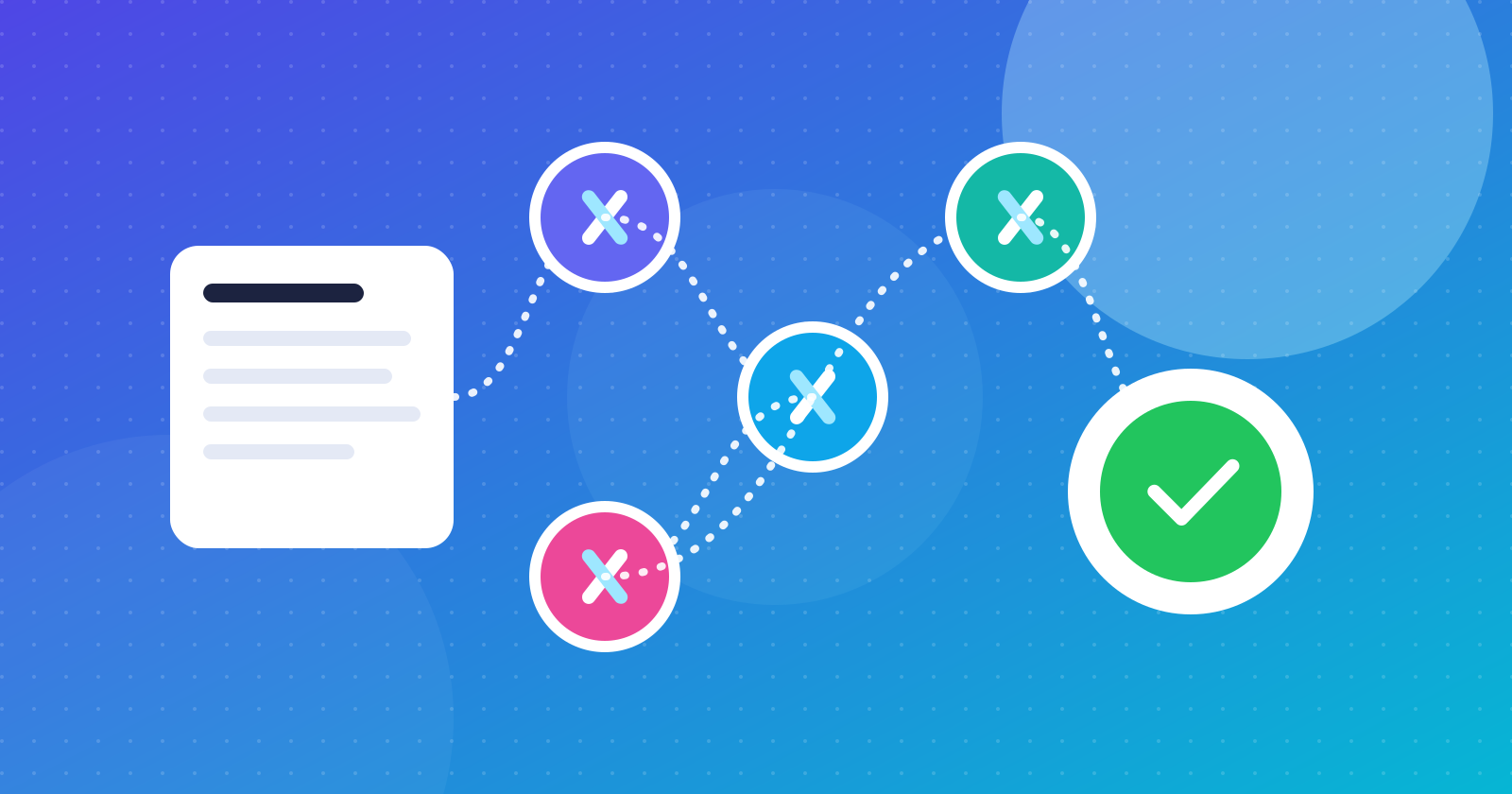
A simple AI tool answers one prompt with one response. An AI agent works through a task in steps. Given a brief, an agent might:
- Plan how to approach the task.
- Research using live sources.
- Draft the work.
- Check facts against sources.
- Review the draft, sometimes with a second AI model.
- Revise based on the review.
- Hand the result to a person for approval.
Because the work goes through several steps, the result is usually more thorough than a single prompt. Because it uses several steps, there are also more places where something can go wrong, which is why the final human check matters.
Tasks that suit AI agents
Agents work best on tasks that are well defined, can be checked, and where a strong first draft saves real time.
Research
- Summarise what competitors posted last month.
- Collect common questions customers ask about a product category.
- List upcoming industry events and dates.
- Summarise trends in your field from recent sources.
- Pull the week's relevant headlines from sources you trust, such as andbulletin or Asian Startup News, into a short briefing for your team.
Research agents should cite sources so you can check them.
Planning
- A month's content calendar built around your pillars and goals.
- A campaign plan for a launch or festival.
- A posting schedule across platforms.
Agents are good at structure. You supply the judgement about what fits your brand.
Drafting
- Social media posts for several platforms from one brief.
- Blog outlines and first drafts.
- Email newsletters.
- Ad copy variations to test.
- Video scripts.
Adapting and repurposing
- Turning a blog post into a LinkedIn post, an Instagram carousel and a short video script.
- Rewriting a company post in a founder's voice.
- Translating content, with a native speaker checking the result.
Analysis
- Summarising a month's performance into a short report.
- Identifying top and bottom posts and suggesting reasons.
Visual and media work
- Generating images for posts, within your brand style.
- Drafting short video concepts or voice-overs.
Visual output needs especially careful checking for quality, brand fit and rights.
Tasks to keep with people
Some work should stay with humans, at least for the final decision:
- Strategy and positioning. Agents can propose options; people should choose.
- Anything involving real customers, such as quotes, testimonials and stories. Never let AI invent them.
- Crisis communication. Tone and timing in a crisis need human judgement.
- Legal, medical and financial claims. These need expert review.
- Sensitive cultural, religious or political topics.
- Final approval of anything published.
How to write a good brief
The quality of agent output depends heavily on the brief. A weak brief like "write posts for Diwali" gets generic results. A strong brief includes:
- Goal: what should this achieve? ("Drive orders for the festive gift box.")
- Audience: who is it for? ("Working professionals in metro cities who send gifts to family.")
- Deliverables: exactly what you want. ("Five Instagram posts, two reels scripts and three LinkedIn posts.")
- Brand voice: how it should sound. ("Warm, playful, never pushy.")
- Facts: everything the agent needs to know. ("Box price ₹1,499, 12 flavours, delivery across India, order by 25 October for Diwali delivery.")
- Constraints: what to avoid. ("No discount language. No comparisons with competitors.")
- Deadline and format: when and how you want it.
Give agents facts rather than asking them to find facts about your own business. An agent will fill gaps with guesses.
How to check agent output
Every piece of agent work should be checked before use. A simple checklist:
- Facts: are all numbers, names, dates and claims correct? Check against your brief and sources.
- Sources: do cited sources exist, and do they say what the agent claims?
- Voice: does it sound like your brand, or like generic AI copy?
- Originality: does it look too similar to existing content?
- Fit: is it right for the platform, audience and moment?
- Risk: could anything be misunderstood or cause offence?
If the work is close but not right, send it back with specific notes, just as you would with a colleague.
Single model or many?
Different AI models have different strengths. Some are better at research with live sources, some at writing, some at reasoning or data, some at checking. An agent platform that can choose the right model for each step, and have a second model review the work, tends to produce more reliable results than relying on one model for everything.
This is the approach SociqX takes. Its agents use models from several AI companies, picking the most suitable one for each step: planning, research, writing, fact-checking and review. In "Expert" mode, a second AI company reviews the work. In "Best of the best" mode, three AI companies draft independently, a judge picks and merges the best ideas, and the result must score at least 8 out of 10 on a quality check or it is reworked. Whatever the mode, nothing is posted or sent until a person approves it.
Working by role and industry
Marketing teams often need expertise they do not have in-house: a designer, a copywriter, a market researcher, a financial analyst for a pitch deck. Some agent platforms let you pick an agent by role, so the agent follows the standards and checklists that a professional in that role would.
Industry context matters too. A post for a hospital needs different care from a post for a fashion brand. Agents that are told the industry can follow its norms and avoid its common mistakes.
SociqX agents cover more than a hundred roles across thirty-nine industries, and an "Any task" option picks the best-fit expert for your brief. Our guide to AI agents for every industry explains the full range.
What AI agents cost
Costs vary widely. Some tools charge a monthly subscription, some charge per task, some charge by the amount of AI processing used. When comparing:
- Check what a typical task costs, not just the headline price.
- Check whether you pay for rejected work. Paying only for work you approve keeps costs aligned with value.
- Check limits: how many tasks, how much research, how much media generation.
- Factor in review time. Cheap output that needs heavy editing is not cheap.
In SociqX, agents are a paid add-on. Agent credit is used only when you approve the work; anything you send back is free.
Safety and privacy
Before sharing business information with any AI tool:
- Check where your data goes. Which AI providers receive it, and what their terms say about retention and training.
- Share only what the task needs. Do not paste customer lists, passwords or confidential financials into a brief.
- Keep personal data out unless you have a clear legal basis and the tool handles it properly.
- Keep a human approval step for anything published or sent.
- Keep a record of what was generated and who approved it.
Example: a festive campaign with agents
Kavya Foods, a fictional snack brand, uses agents to plan its Diwali campaign.
- Brief: the marketing lead writes a brief with the goal, audience, gift box details, delivery deadline and brand voice.
- Research agent: summarises what similar brands posted last festive season and common gifting questions, with sources.
- Planning agent: proposes a three-week calendar with teasers, launch, reminders and a thank-you post.
- Content agent: drafts posts for Instagram, Facebook and LinkedIn, plus two reel scripts, in the brand voice.
- Review: a second model checks facts against the brief and flags one post that promised delivery dates the brand could not guarantee.
- Human approval: the marketing lead edits two posts, rejects one, and approves the rest. The founder approves his LinkedIn posts from his phone.
- Scheduling: approved posts go onto the calendar at the brand's tested best times.
The team spent its time on decisions and editing rather than first drafts.
Common mistakes with AI agents
Vague briefs. Generic input, generic output.
Trusting facts without checking. AI can be confidently wrong.
Skipping approval. Never auto-publish agent output.
Letting AI invent customers or quotes. This damages trust and may break consumer protection rules.
Using one voice for everything. Agents need brand and founder voice notes.
Measuring output, not results. More content is not the goal; better results are.
Building agents into your team's routine
The teams that get the most from AI agents do not use them occasionally. They build them into a weekly routine, with clear owners for each step.
Monday: briefs. The marketing lead writes short briefs for the week's agent tasks: research questions, campaign plans, content batches. Each brief uses the same template, so nothing is forgotten.
Monday to Tuesday: agents work. Agents run the tasks. Quick drafts come back in minutes; deeper tasks with research and review take longer.
Wednesday: review. A named person reviews each piece of agent output against the checklist above. Good work is approved. Work that is close is sent back with notes. Weak work is rejected without hesitation, which, on platforms that charge only for approved work, costs nothing.
Thursday: human polish. Writers and designers add the parts agents cannot: real stories, local detail, the brand's humour, the founder's opinions.
Friday: learn. The team notes which briefs produced the best results and updates the brief template. Over a few months, the template becomes one of the most valuable documents the team owns.
Keep a library of good briefs
Save every brief that produced excellent work, with a note on why it worked. When a similar task comes up, start from a proven brief rather than a blank page. New team members can learn your standards from this library faster than from any manual.
Measure time saved, honestly
Track how long tasks took before agents and how long they take now, including review and editing. Some tasks will save hours; others will save little once checking is counted. Put agents where the saving is real.
Frequently asked questions
Will AI agents replace marketing teams? They change the work more than they replace it. Teams spend less time on first drafts and more on strategy, editing, relationships and judgement.
Can AI agents post directly to social media? Some can, but it is safer for a person to approve every post first. In SociqX, agent work always waits for approval.
How accurate are AI agents? Accuracy varies by task and tool. Research with cited sources and a separate fact-checking step improves reliability, but you should still check anything that matters.
Are AI agents suitable for regulated industries? They can help with drafts and research, but every claim should be checked by someone who knows the rules.
What is the best first task to try? Repurposing: give an agent a blog post or announcement and ask for versions for each platform. It is easy to check and saves time immediately.
Do I need technical skills to use AI agents? No. If you can write a clear brief for a freelancer, you can brief an agent. The skill that matters most is knowing what good work looks like in your field, so you can judge the result and send it back with useful notes.
Can one agent handle work for several brands? Yes, as long as each task carries that brand's facts and voice. Keep separate briefs and voice notes per brand, and never reuse one brand's details in another's brief.
The short version
AI agents are best at research, planning, drafting, adapting and analysis, and worst at judgement, real customer stories and sensitive topics. Write detailed briefs, give agents your facts and voice, check everything, and keep a person's approval before anything goes out. Used this way, agents let a small team do the work of a much bigger one.
Write the post once. Publish it everywhere.
SociqX publishes a native version of every post to 16 platforms, for every company, founder and client you manage, with approvals, analytics and AI agents built in.